JAPAN__ my solo travel experience
I travelled through Japan solo and explored Tokyo, Kamakura & Mt Fuji. Here's everything you need to know about my trip, including my itinerary, costs, accommodation, transport and favourite experiences.
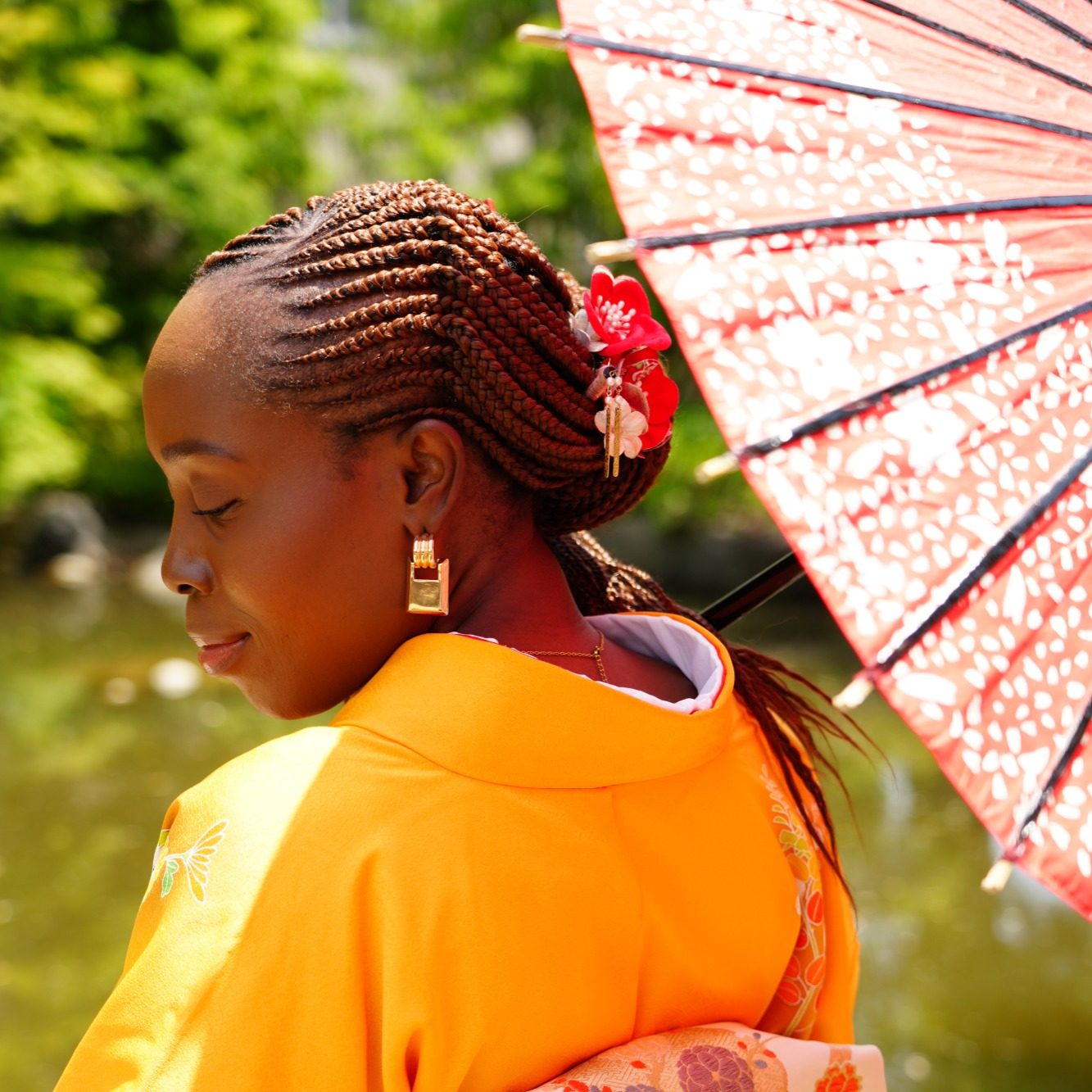
Tokyo was one of those destinations that had been sitting on my bucket list for a long time, so finally being there felt a little surreal.
From the moment I arrived at the airport, my first impression of Japan was incredibly positive. There was a sense of order, efficiency and respect everywhere I went. Everything seemed to have a system, and people followed it. From queuing to public transport, there was a calmness and organisation that I really appreciated.
If you're someone who thrives in an environment where things are organised, orderly and run efficiently, Japan might just be the perfect destination for you.
And then there's the public transport. Japan's transport network is extensive, and I honestly don't think I ever felt limited by not having a car. Trains, metro systems and buses make it incredibly easy to get around, and for a solo traveller, I found that incredibly convenient. Once I got the hang of the different lines and stations, getting around became part of the experience.
And let's not even get started on the food... AMAZING! 🍜
From convenience-store finds to proper Japanese meals, I was constantly impressed by the quality and variety of the food. Japan definitely lived up to the hype in that department.
Overall, Tokyo gave me exactly what I was hoping for, a completely different experience from what I'm used to, while still being incredibly easy to navigate as a solo traveller.
Would I go back? Absolutely.
Tokyo
What to know.
It's important to know that Japan can be expensive, prices do add up easily.
- Get a Suica card if you plan on using prubli transport. You can also use the suica cards on vending machines.
- The metro stations typically have multiple exits, be sure you are using the right entry/exits
- You will walk a lot so comfortable pair of shoes are a must.
- Have a translator - you will need it - either to translate signs or communicate
- Data is paramount as you will rely on your phone for directions - get an esim if your phone is compatible or just buy a sim on arrival.
Kamakura
Kamakura is a beautiful coastal city located just south of Tokyo and makes for an easy and worthwhile day trip. It's roughly a 55-minute train journey from Tokyo Station via the JR Yokosuka Line, making it perfect if you want to escape the busy streets of Tokyo for a day.
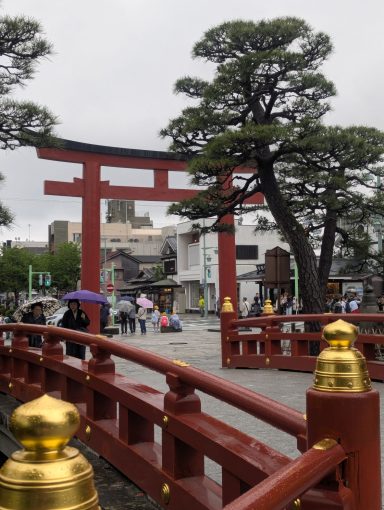
I spent the day exploring Kamakura, visiting a few of its most popular sights and taking in the slower, more traditional side of Japan.
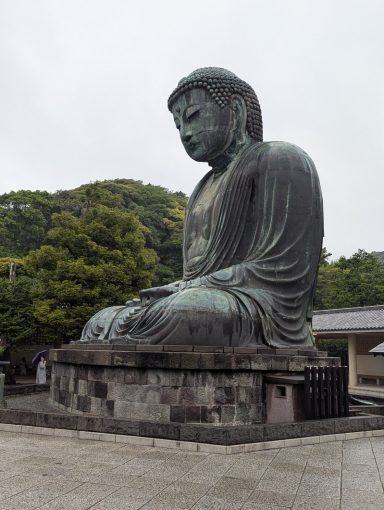
One of my stops was Kotoku-in Temple, home to the famous Great Buddha of Kamakura — an impressive bronze statue and one of the city's most recognisable landmarks.
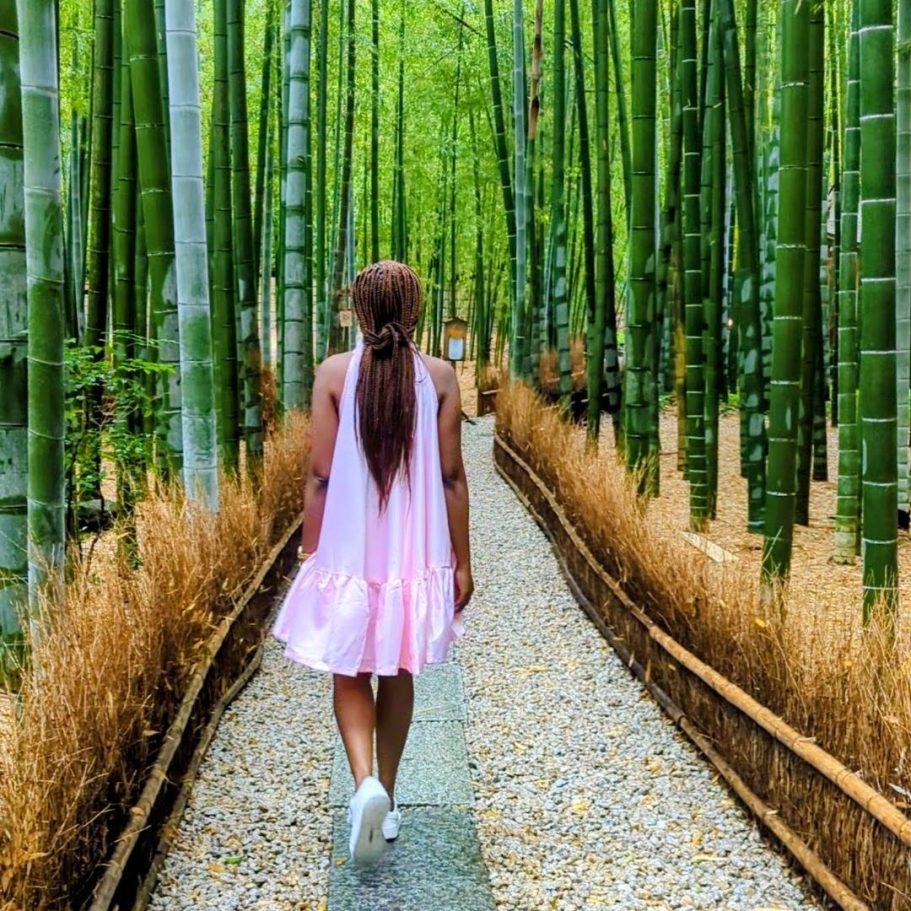
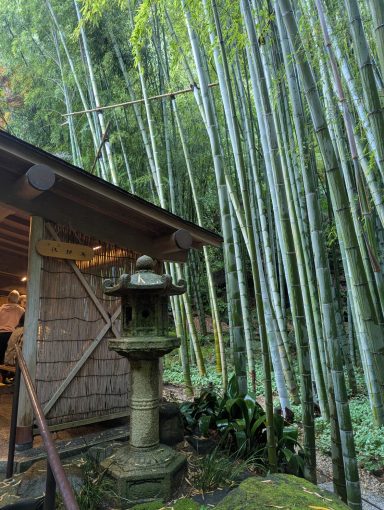
I also visited Hokokuji Temple, which is known for its beautiful bamboo grove. Walking through the forest felt incredibly peaceful and was a lovely contrast to the energy of Tokyo.
To finish the day, I explored Komachi-dori Street, a lively shopping street filled with small shops, souvenirs, snacks and local treats. It's a great place to wander around after visiting the temples and grab something to eat along the way.
Kamakura was definitely one of my favourite day trips from Tokyo. It's easy to get to, has plenty to see and gives you the chance to experience a completely different side of Japan without travelling too far from the city.
Mt. Fuji
Mt. Fuji Day Trip
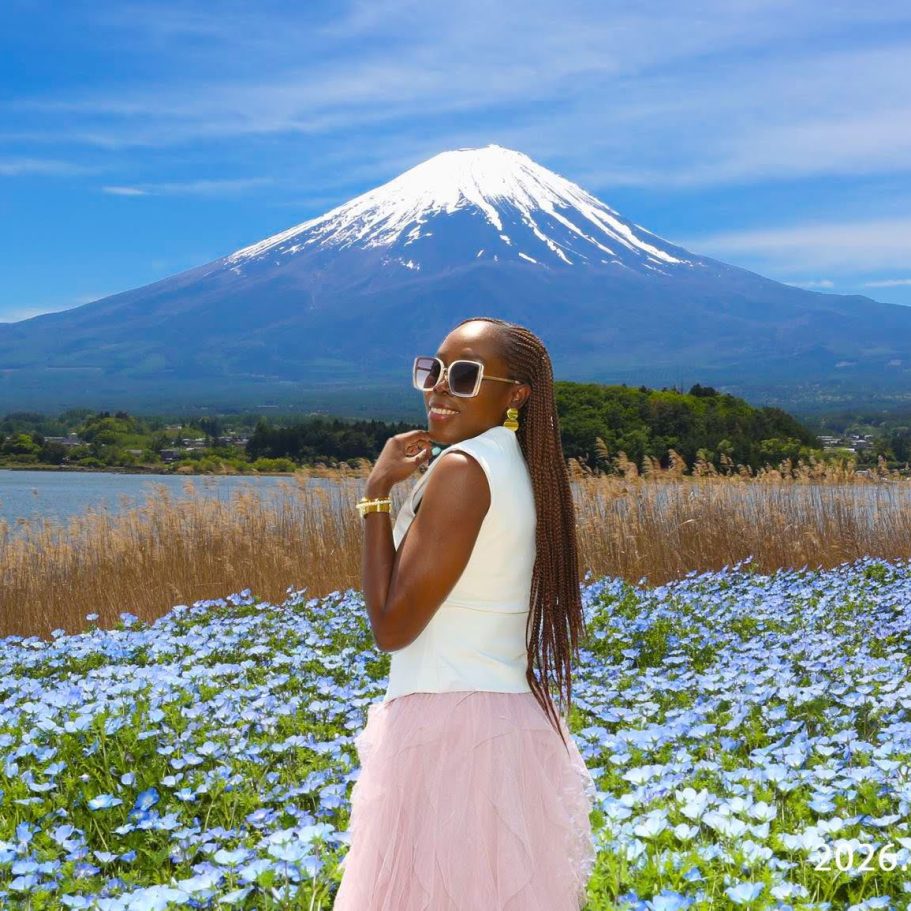
I also took a day trip to Mt. Fuji, Japan's iconic mountain and one of the country's most recognisable landmarks. Located on Honshu Island, Mt. Fuji sits between Yamanashi and Shizuoka prefectures and is roughly a 2 hour 15 minute drive from Tokyo, depending on traffic.
Rather than just visiting Mt. Fuji itself, I made a full day of exploring some of the surrounding areas, which gave me the opportunity to see the mountain from several different viewpoints.
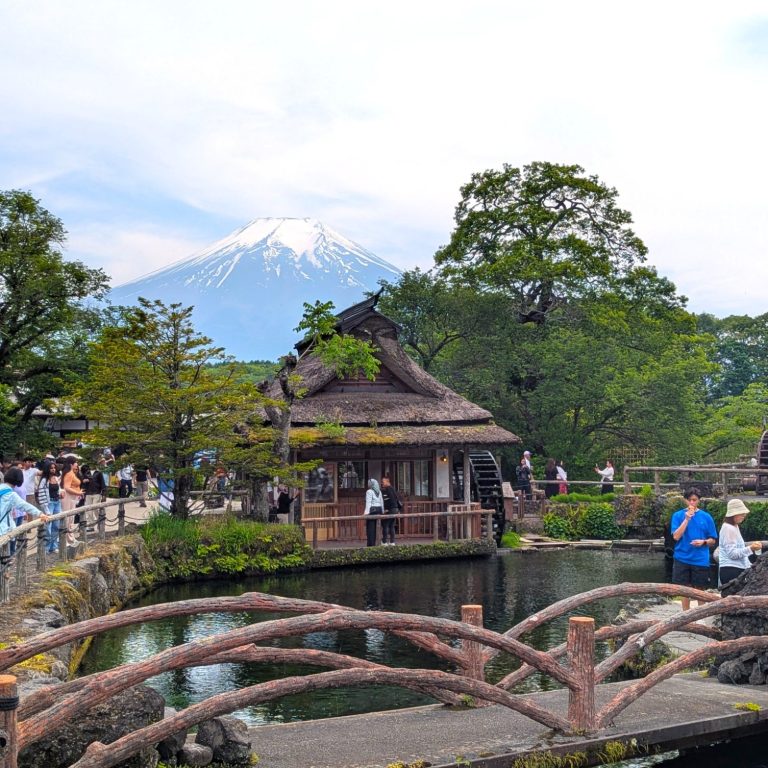
One of my favourite stops was Saiko Iyashi-no-Sato Nenba, a traditional Japanese village with thatched-roof houses and beautiful views of Mt. Fuji. It felt like stepping back in time and was definitely one of the more unique stops of the day.
I also visited Oishi Park, located along the shores of Lake Kawaguchi, which offers some incredible views of Mt. Fuji. The combination of the lake, surrounding scenery and the mountain in the background made this one of my favourite spots for photography.
Another stop was Oshino Hakkai, a picturesque traditional village known for its clear spring-fed ponds, traditional houses and views of Mt. Fuji.
If you're visiting Tokyo, I'd definitely recommend setting aside a full day for the Mt. Fuji area. There is so much more to see beyond the mountain itself, and exploring the surrounding towns, lakes and traditional villages makes the day trip even more worthwhile.
My Recommendations
I spent 5 days in Tokyo, used 3 days to explore Tokyo, 1 day for Mt Fuji and a day for Kamakura. Tokyo city has a lot to offer and I didn't plan on seeing everything - I don't think anyone can see everything in Tokyo in 3 days. I'd recommend to minimum 3 days to spend in Tokyo ,
Where to stay
I recommend staying somewhere central like Shinjuku, Ueno, Tokyo station.
Ueno It gives you a really good balance between transport, sightseeing, price and ease and it's particularly convenient for Asakusa and the eastern side of Tokyo.
Shinjuku is arguably the easiest all-round base because of its huge rail network and position on the Yamanote Line.
Toyo Station - I particularly like this area for someone doing Tokyo + other Japanese cities, because you aren't constantly crossing the city to reach Tokyo Station.
Where to eat
For a proper Japanese ramen experience, this is an easy choice: Tokyo Rahmen Ten - around ¥1,000–¥2,000, near the Shibuya area.
Or, if you're in Shibuya and want something extremely easy: ICHIRAN Shibuya around ¥1,000–¥2,000.
Try CoCo Ichibanya if you want something quick. Again, it's a chain rather than a hidden gem, but Japanese curry is genuinely part of everyday Japanese food culture and is extremely affordable
Don't overlook convenience stores. Honestly, 7-Eleven, FamilyMart and Lawson are worth experiencing in Japan.
Grab an onigiri, egg sandwich, bento or hot snack for breakfast/lunch. This isn't "settling for convenience-store food", Japanese convenience stores are genuinely part of everyday food culture.
Places to visit
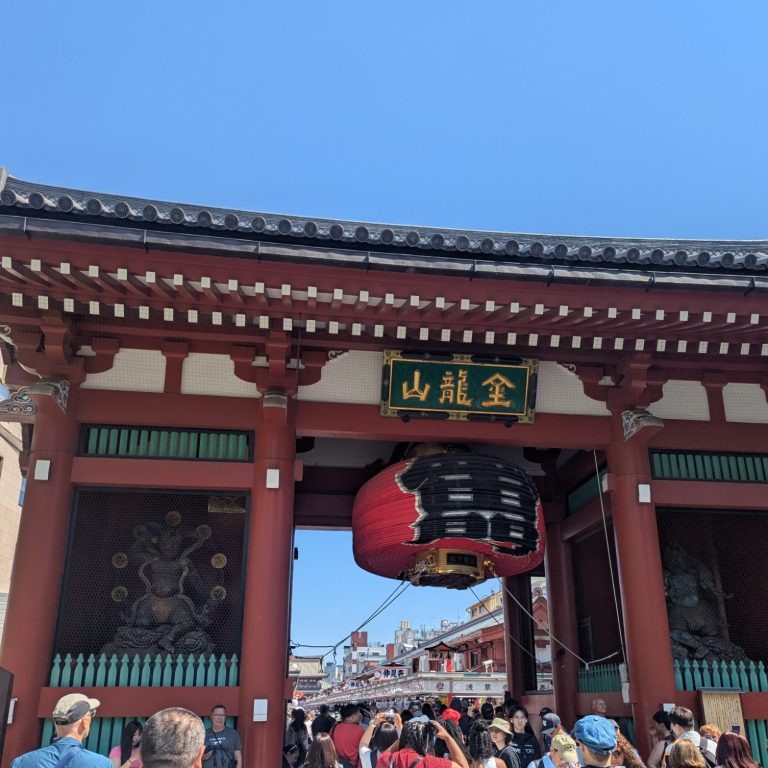
- Senso-ji
- Meiji Shrine
- Shinjuku
- Tokyo Tower and the area
- Imperial Palace
- Harajuku
- Akihabara
- Sumida River
- Ueno park
- Ginza
- Google Maps
- Google Translate or Papago
- GO- for taxis
- Digital IC card (Suica/ Pasmo) If you ise an Iphone. Andriod users need a physical card.
- Klook or GetYourGuide - for tickets to attractions
Apps you'll need
Travel Tips
Here are 6 core travel tips that apply whether you’re travelling for the first time or you’ve been doing it for years - simple, practical, and very Unaccompanied.
01
Plan Enough
Plan Enough to Feel Secure - Then Leave Room to Wander
Have the basics covered (accommodation, transport, first night plan), but don’t over-plan every moment. Some of the best travel experiences happen when you allow space for curiosity, rest, and unexpected discoveries.
02
Pack Light
Pack Light, Intentionally
What you carry affects how you move. Packing light makes travel easier, less stressful, and more freeing — especially when navigating airports, public transport, or new cities alone. If you don’t love it or need it, leave it behind.
03
Trust Your Instincts
Trust Your Instincts - They’re Part of the Journey
No amount of experience replaces intuition. If something feels off, listen to it. If something feels right, lean into it. This applies to people, places, and plans. Confidence grows every time you choose to trust yourself.
04
Don't Document Everything
Let Go of the Need to Document Everything
Photos and videos are beautiful, but presence matters more. You don’t need to capture every moment to validate the experience. Some memories are meant to stay just with you — and they’re often the ones that change you the most.
05
Your Accommodation
Choose Accommodation That Supports How You Want to Feel
Where you stay shapes your entire experience. Safety, location, and comfort matter more than aesthetics. Especially when travelling solo, choose accommodation that allows you to rest well, move easily, and feel grounded — not just somewhere that looks good online.
06
Being Uncomfortable
Accept That You’ll Be Uncomfortable Sometimes — and That’s Okay
Travel isn’t meant to be seamless. Missed turns, language barriers, and quiet moments of doubt are part of the process. Growth often shows up disguised as discomfort. The more you accept that, the more resilient and confident you become.